
July 14, 2026
OMA Member Story: Omosefe Ogbeifun, MD, MPH
Share this post
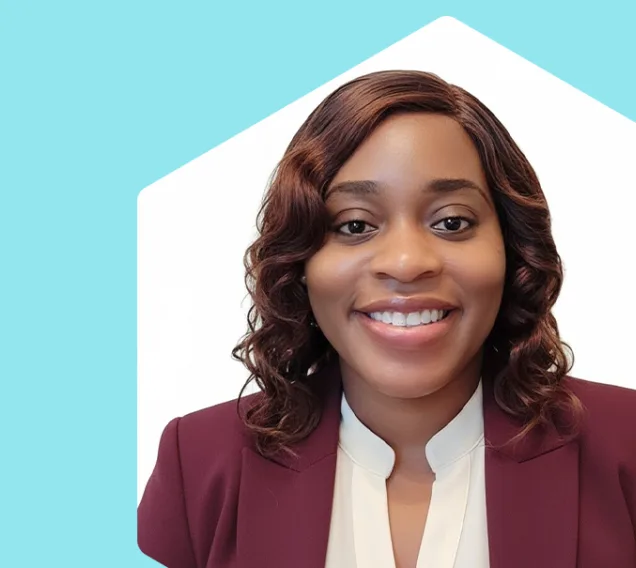
Changing the Narrative Through Obesity Medicine
For Omosefe Ogbeifun, MD, MPH, medicine has always been about making a lasting difference.
"For me, I’ve always been passionate about serving people. I feel healthcare gives me the opportunity to improve the health of people but also creates a positive, long-lasting impact in the lives of people"
That passion is what first drew her to primary care. She enjoyed the continuity of care and the relationships she built with patients over time.
Early in her residency, she noticed a pattern. Many of her patients were living with multiple chronic diseases, and one condition seemed to be connected to them all.
"Obesity was the driver for so many of these diseases," she said.
Instead of treating the complications caused by obesity, she decided to focus on the root cause.
That decision ultimately led her to obesity medicine.
Today, Dr. Ogbeifun is a board-certified internal medicine physician and an obesity medicine fellow at the University of Alabama, where she helps to advance the field through education and research.
Looking Beyond the Diagnosis
As she transitioned into obesity medicine, Dr. Ogbeifun realized that many patients had very little knowledge about obesity or lifestyle management. They often only sought care after developing diabetes, hypertension, cardiovascular disease, or other obesity-related conditions. She saw an opportunity to change that.
"Instead of just treating the complications of obesity, why not tackle the risk factor? Which is obesity itself."
That question continues to guide her practice today. Whether she's helping patients manage obesity, chronic diseases, or improve their overall well-being, her goal is always the same: helping people feel better.
A Reminder of Why It Matters
Dr. Ogbeifun has one patient experience that shaped her passion for obesity medicine.
The patient came into her practice with a body mass index (BMI) of 51. After developing a comprehensive treatment plan and working together for about a year, the patient had decreased their BMI to 36. More importantly, he felt better.
In addition to the significant weight loss, he was able to cut down on the medications he was taking and enjoy a better quality of life.
For Dr. Ogbeifun, it wasn't just the change in BMI that stood out to her. It was witnessing how obesity treatment transformed nearly every aspect of her patient's health.
Challenging Common Misconceptions
One of the biggest challenges that Dr. Ogbeifun faces in her practice is misconceptions about the disease and battling misconceptions.
Many patients, and society at large, still believe obesity is simply a matter of willpower. One of her first goals within treatment is to help patients believe otherwise. She shares she spends about 75% of her time educating patients.
Five or ten years ago, those initial conversations looked very different. Today, patients often arrive with information gathered from social media, websites, and countless other sources.
"My role, in addition to treating them, is also to educate them," she said.
She believes the more a patient is informed, the better equipped they are to participate and remain engaged with treatment.
When patients understand obesity as a chronic, multifactorial disease influenced by genetics, environment, and social factors, they're more likely to recognize that lasting treatment is more than a one-step process.
“Obesity is not just, ‘oh this person is eating too much’. There’s more to it,” she said.
Personalized Care for Every Patient
Dr. Ogbeifun emphasizes that successful obesity treatment is never one-size-fits-all.
Every patient requires an individualized plan that can include nutrition counseling, physical activity, lifestyle modifications, medications, or sometimes bariatric surgery.
Within her multidisciplinary practice, patients have access to registered dietitians, psychologists, educational handouts, and other resources designed to support long-term success.
She also frequently turns to the Obesity Medicine Association.
"OMA is one of my go-to resources," she said.
She often prints educational materials from the OMA website for patients to review at home, giving information they can continue learning from between visits.
Shaping the Future of Obesity Medicine
Beyond caring for patients, Dr. Ogbeifun is passionate about education. At the University of Alabama, she teaches and tutors medical students while continuing her own fellowship training. She enjoys helping future physicians better understand obesity as the complex chronic disease that it is.
For her, education has the power to improve not only individual patient outcomes but the future of healthcare.
Looking Ahead
As she completes her fellowship in obesity medicine, Dr. Ogbeifun hopes to build on her career that combines academic medicine, clinical care, and obesity research.
She is especially interested in research focused on obesity and metabolic health while continuing to care directly for patients.
What motivates her most, however, hasn't changed.
“Every day I can change the narrative,” she said. “I can help someone improve their health; I can help someone achieve their goals.”
As OMA celebrates Member Appreciation Month, Dr. Ogbeifun's story reflects the power of addressing obesity at the core. Through compassionate care, education, and a commitment to research, she is not only helping patients but helping society at large move in a healthier direction.